Rock ‘n’ Roll Road trip on a Harley-Davidson Street Glide motorcycle
Retracing the tragic history of “The Day the Music Died”
Story by Dustin A. Woods
Back in elementary school, while other kids listened to Baby Beluga or Wheels on the Bus, I was poring over my parents’ classic record collection. Sifting through dusty vinyl boxes, I would sit cross-legged on the basement floor, tracing the roots of rock ‘n’ roll one crackly record at a time. Placing the needle down revealed whole new worlds. I studied the jackets, searching for clues about the musicians. My greatest discovery was a scrawny, spectacled boy from Lubbock, Texas – Charles Hardin Holley, better known as Buddy Holly.
I obsessively consumed his brief but enduring career. By then, I had some familiarity with gospel, rock, blues, country, and western, but Holly fused them all into a sound unlike anything I’d heard. Even now, I marvel at how a middle-class kid from West Texas channeled such transcendent music through his Fender Stratocaster.
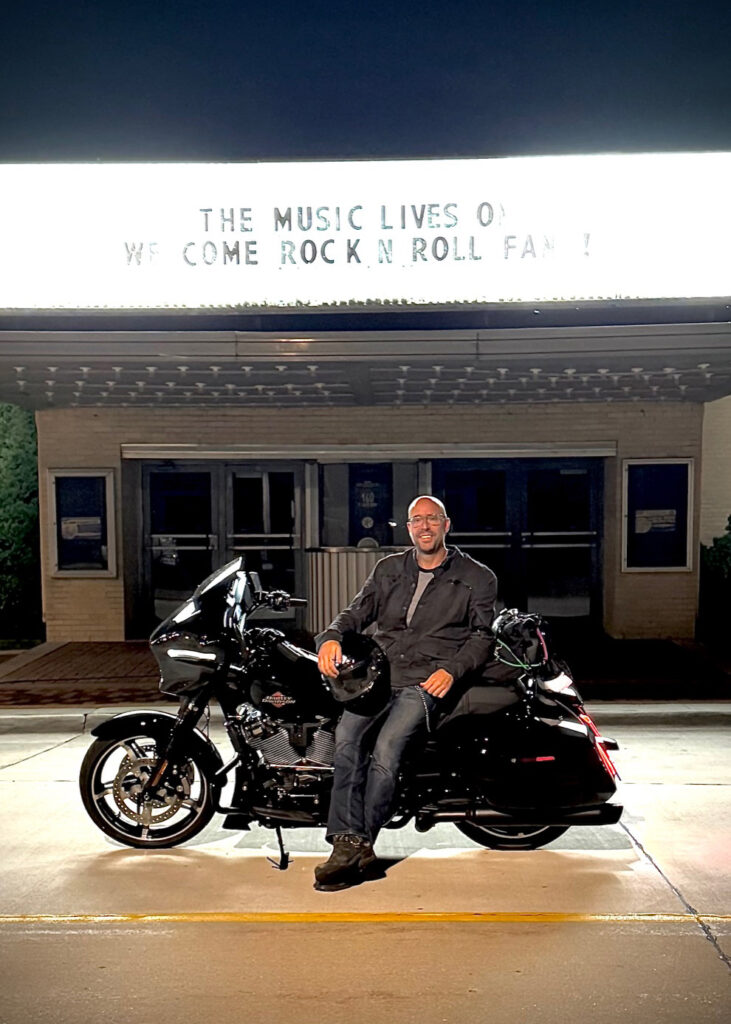
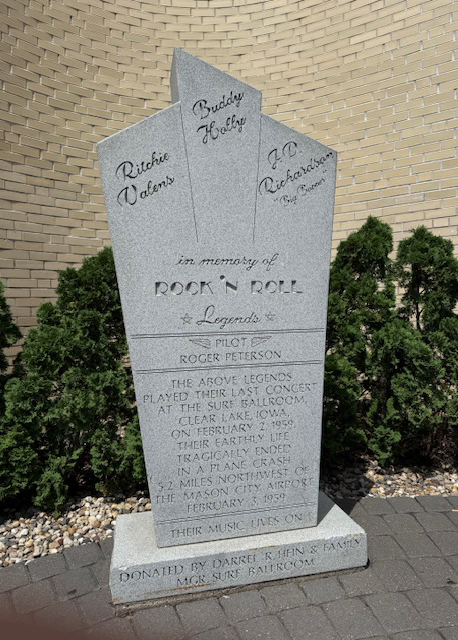
My excitement crashed when I learned of his death at 22, alongside Ritchie Valens and J.P. Richardson, the Big Bopper. Many know of the tragedy through La Bamba or Don McLean’s American Pie, which memorializes “The Day the Music Died.” Buddy and I shared more than musical taste and glasses. He loved motorcycles too, famously buying bikes in Dallas for himself and two bandmates, and then riding them home in a thunderstorm.
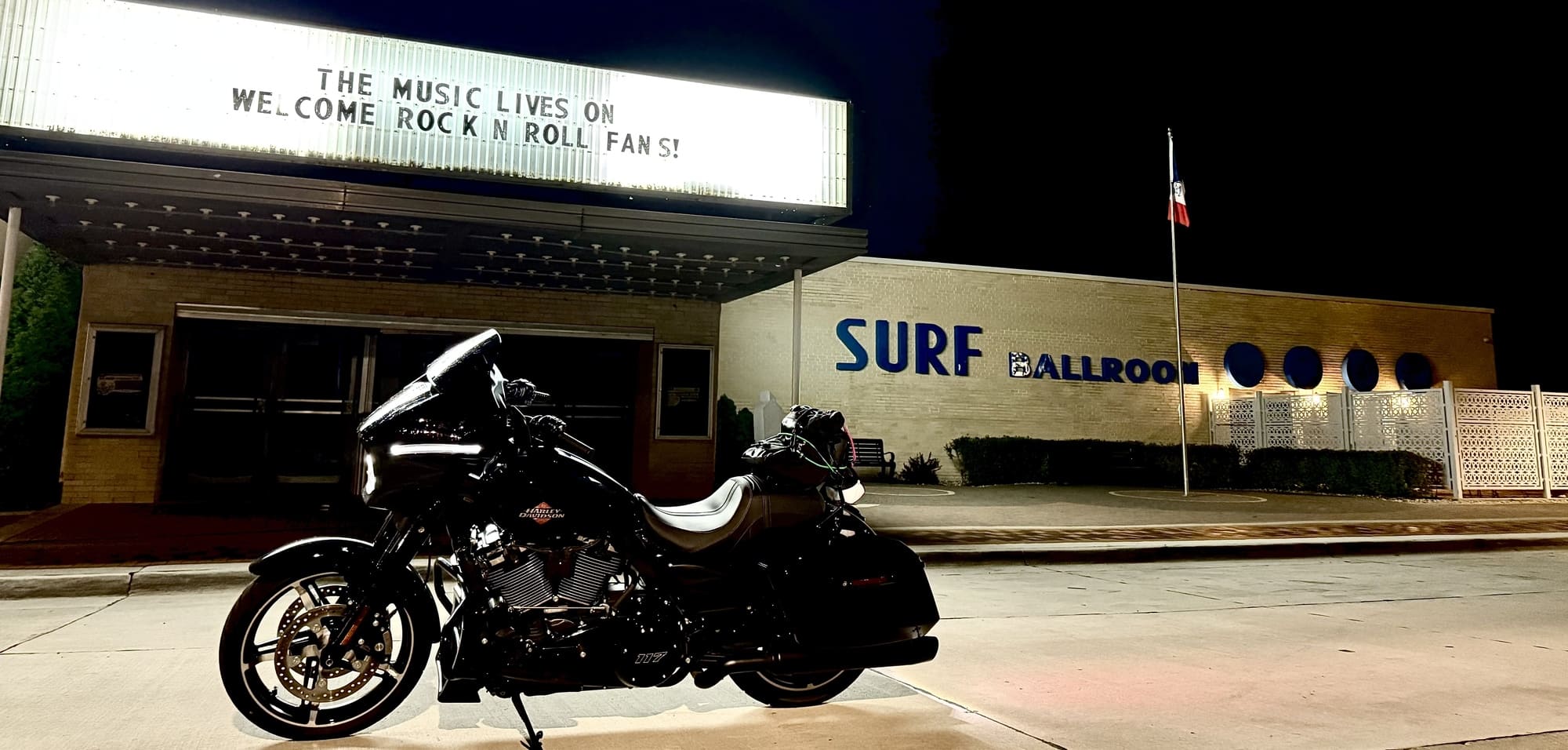
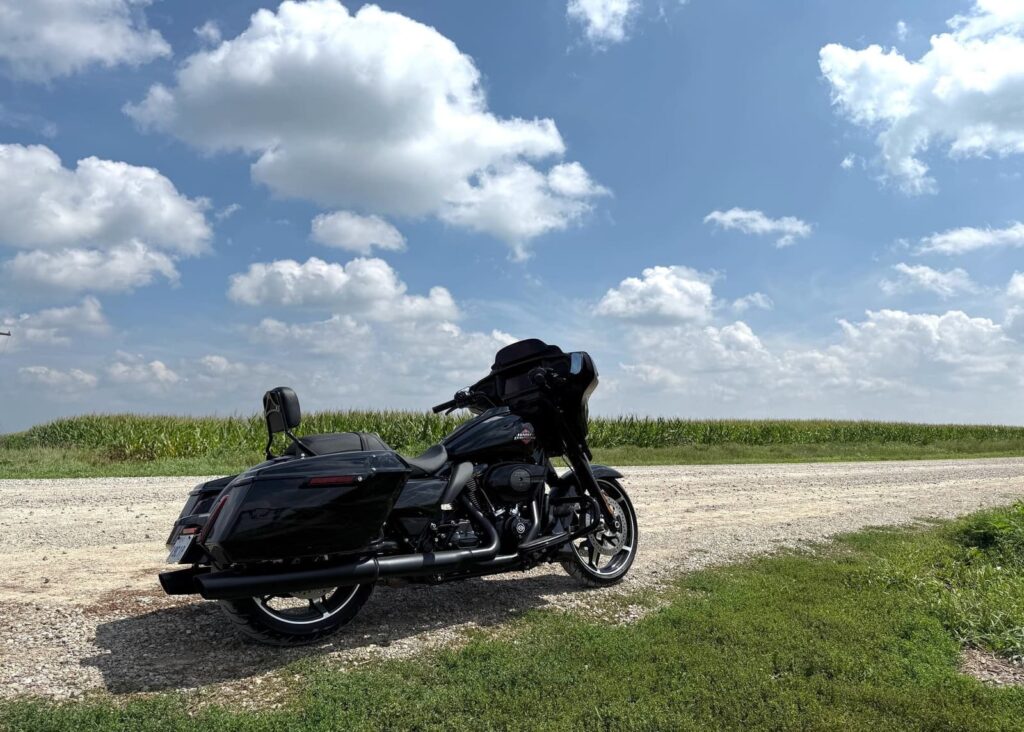
With a 2025 Harley-Davidson® Street Glide® to review, I dedicated my summer to tracing Buddy’s life – where he lived, played, and ultimately died. Over the years, I had consumed every book, album, and documentary about him and even travelled to Lubbock. I visited his childhood home, high school, a small museum, and the performing arts centre named in his honour. The long journey included a somber visit to his final resting place, a spot marked by a modest gravestone in a long-forgotten cemetery on the outskirts of a town in decline.
The more I learned, the more heartbreaking his story became. Newly married and expecting a child, Holly faced band splits and financial complications. Touring the ill-fated Winter Dance Party out of necessity, he died in a plane crash that should never have happened.
Riding the Street Glide’s 117-cubic-inch Milwaukee-Eight® engine, I imagined the harsh conditions of the 1959 tour: old buses, freezing weather, breakdowns, frostbite, and flu. Holly’s decision to charter a private plane to reach the next city was a practical solution that ended in tragedy.
At the Rock ‘n’ Roll Hall of Fame in Cleveland, I was struck by how little attention his short career received. A small plaque and a copy of his first album with The Crickets were all that marked his impact. Yet Holly’s pioneering influence inspired Eric Clapton, The Beatles (named to honour The Crickets), Jimi Hendrix, Elton John, and The Rolling Stones. Without him, music today would be different.
Leaving Ohio, I rode through Illinois into Iowa, humming along highways bordered by farms and flowering fields. The Street Glide’s aerodynamic Batwing fairing and 105hp V-twin made the journey effortless.
The sleeker, more aerodynamic bodywork was achieved through what Harley calls computational fluid dynamics (CFD) to reduce wind buffeting and help the Street Glide cut through the air. The updated 12.3-inch (312 mm) touchscreen TFT display connected to Apple CarPlay via the USB-C in the dash-mounted smartphone tray, presented turn-by-turn navigation and allowed me to play my curated playlists though the 200-watt speakers.
The intoxicating scent of summer rain drifted through the air as I neared Clear Lake, where the musicians had played their final show. The clouds parted, letting a soft glow shine on my destination as the sun set below the horizon. It felt like heaven was welcoming me.
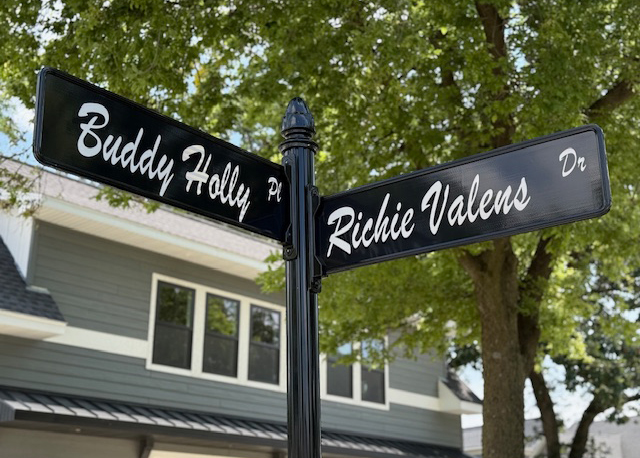
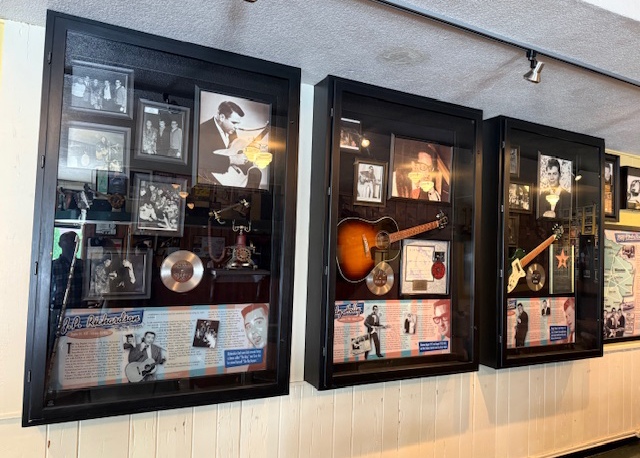
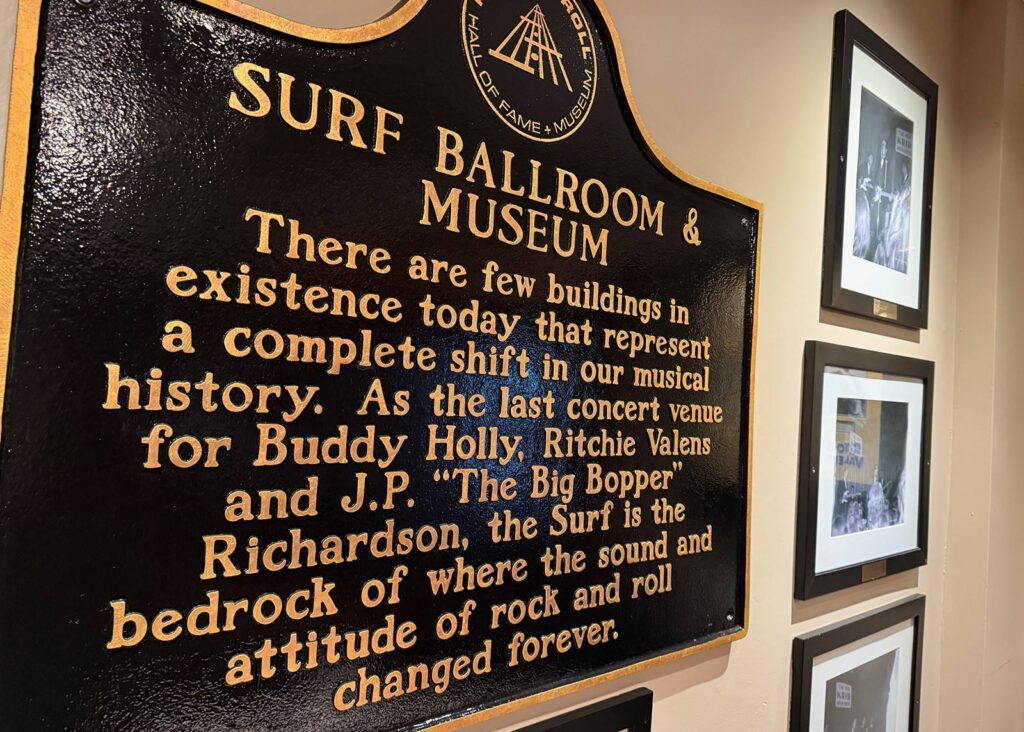
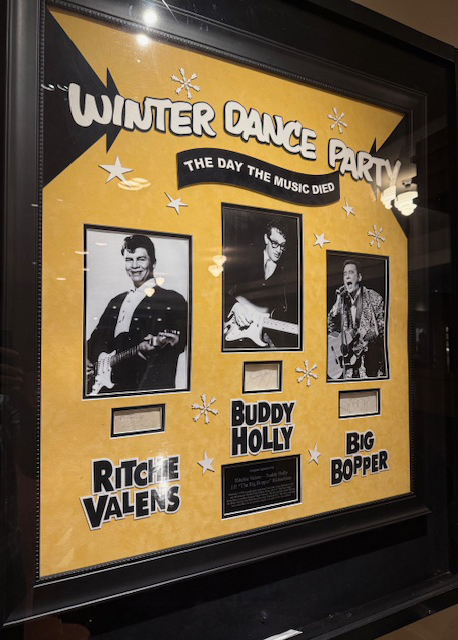
I followed the street signs bearing the names of Buddy, Ritchie, and J.P. to the famous Surf Ballroom. Stepping inside felt like a trip back in time. If rock ‘n’ roll is a kind of religion, then the Surf is sacred ground. Plaques, photos, and artifacts were on display chronicling the musicians’ short careers and details about their final performances.
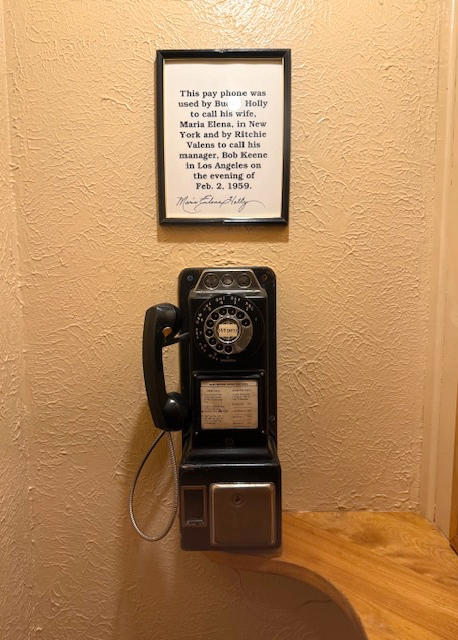
I spent hours exploring every photo and piece of memorabilia. Standing on the stage where Holly played his last song was surreal. I walked through the dressing room where the infamous coin flip was made to decide the final seat on the plane. Seeing both the phone booth where Holly made his final call to his wife Elena and Elwin Musser’s camera that captured the crash scene, made the stories I had read come alive.
The Surf Ballroom has turned a tragic event in Clear Lake into a tribute to the musicians and their lasting impact. The Three Stars Plaza is an interactive art installation where visitors can enjoy their music. The new Not Fade Away exhibit immerses guests in the memories of that fateful February night.
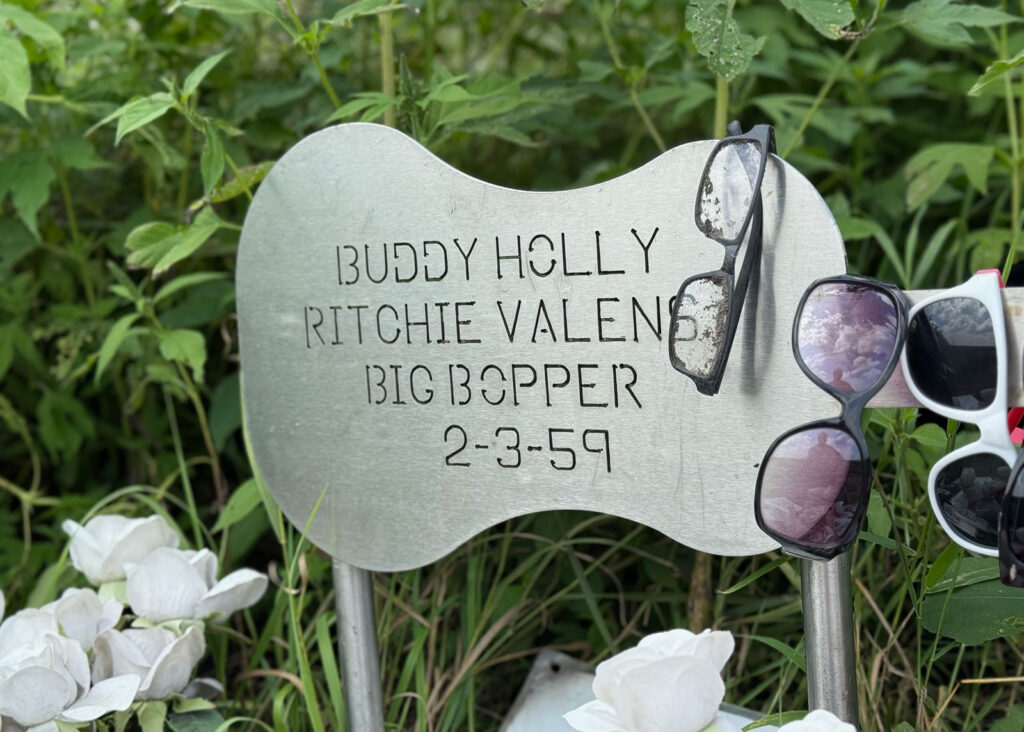
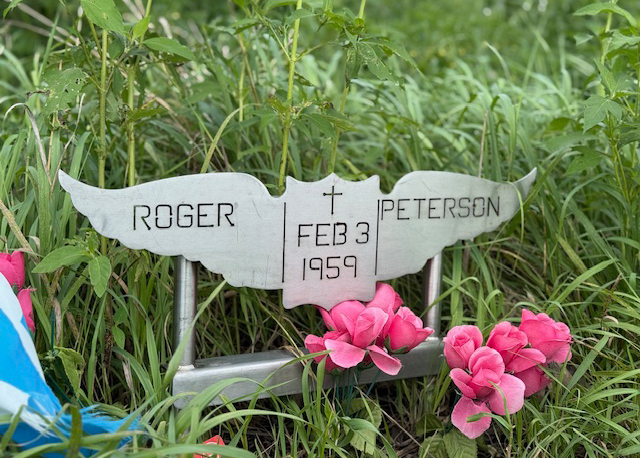
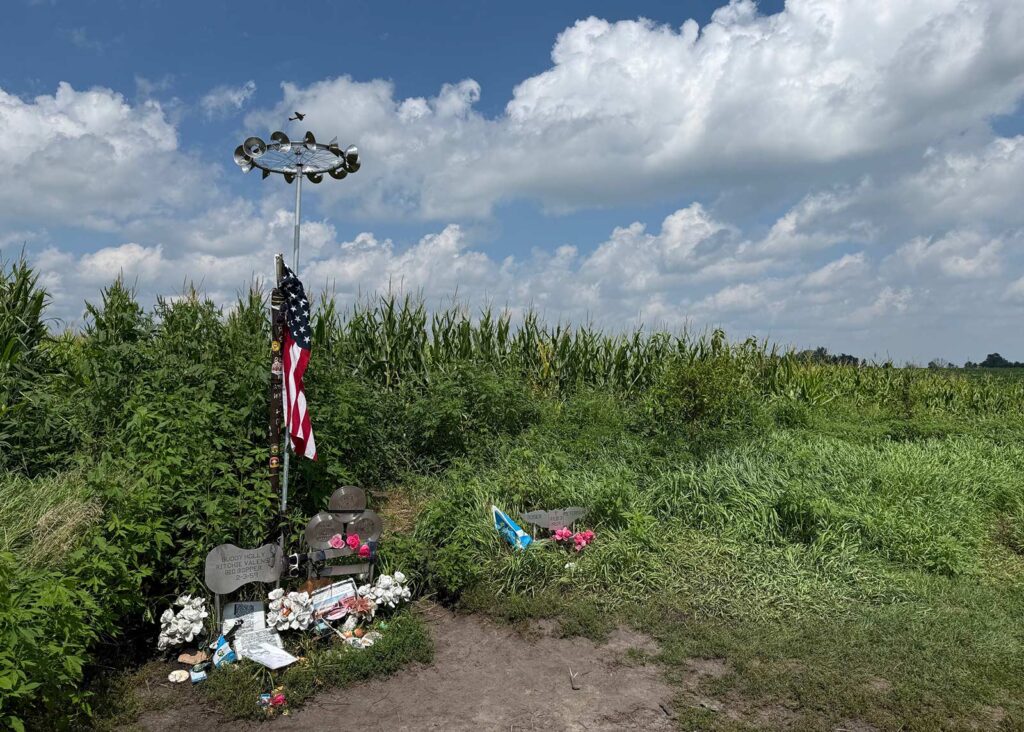
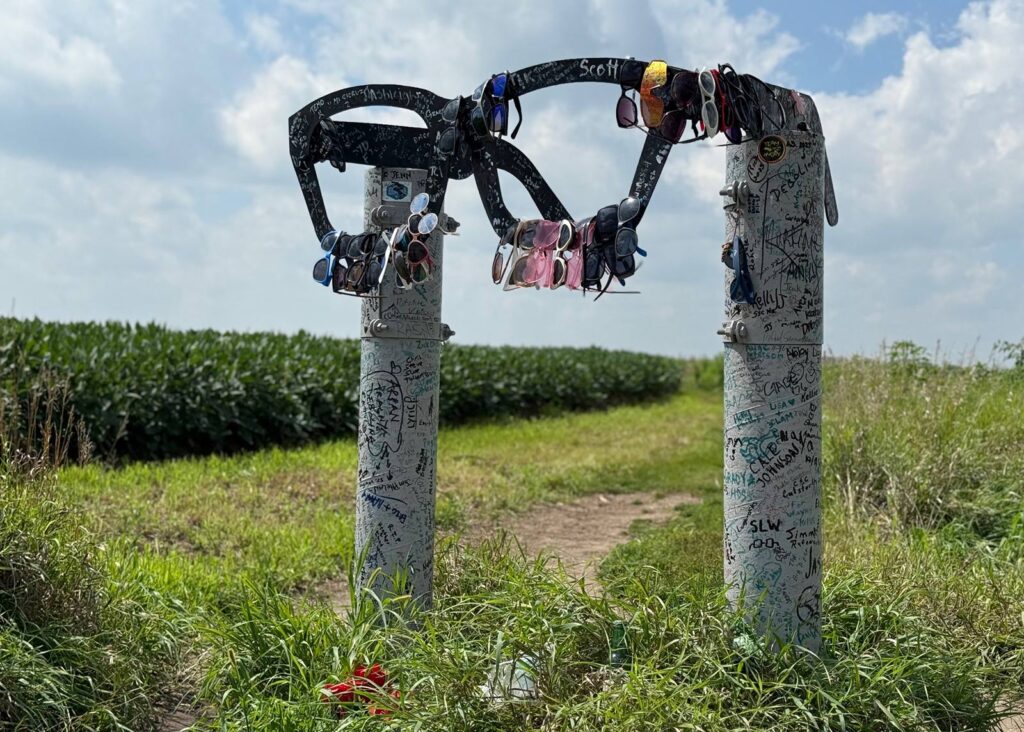
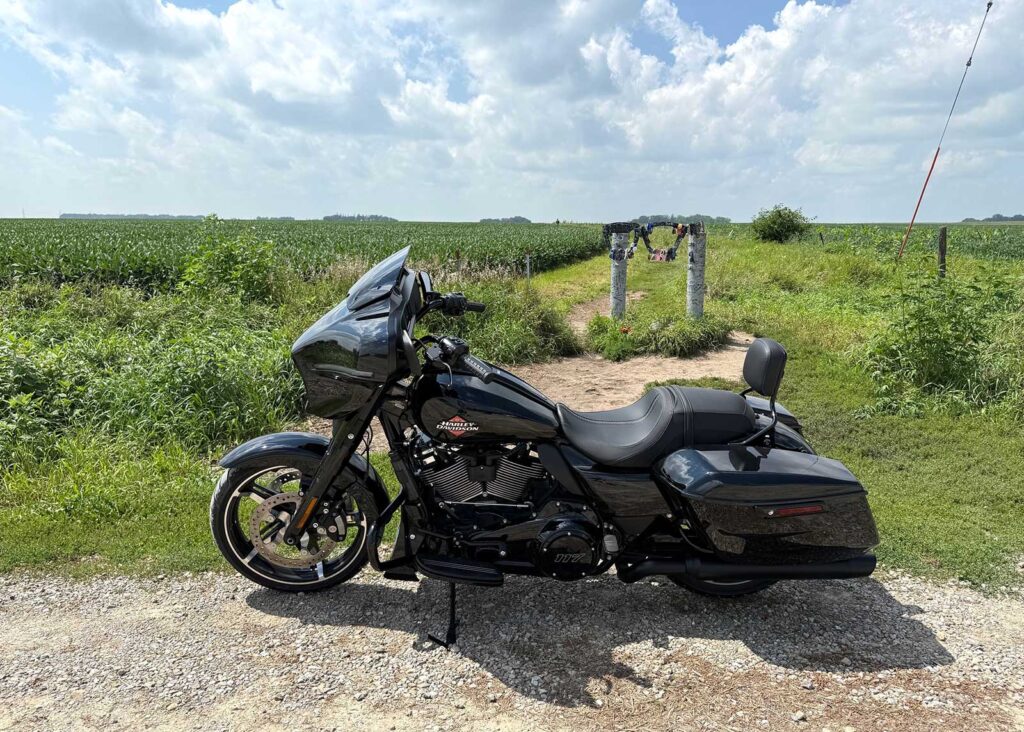
I retraced the path to Mason City Airport, where the doomed flight took off. There, Jerry Dwyer watched as the plane vanished over the horizon. A few miles down a gravel road, a large pair of Buddy Holly’s iconic glasses marks a path. Half a mile from the road, a memorial stands at the site where the plane’s twisted wreckage settled on that cold, snowy night. Another memorial honors Roger Petersen, the young pilot flying the plane.
Sitting in quiet reflection, I watched visitors of all ages pay respects. It was comforting, affirming that Holly, Valens, and Richardson’s music continues to resonate. As I walked back to the road, I felt a deep sadness for the young men and their families. I wondered what might have been if their lives hadn’t ended so soon. This experience made me appreciate their music even more and the efforts to keep their legacies alive.
On my long journey home, I picked my favourite Buddy Holly album and turned up the volume. The familiar sounds brought back memories from my childhood. With fresh air filling my lungs and the warm sun on my face, I couldn’t help but smile.
There’s a saying that everyone dies three times: first when their heart stops, second when they are buried or cremated, and finally, when the last person says their name. Thanks to his music, Buddy Holly will never die.
Thank you, Buddy.
Tags:
Read more tales from the Harley Owners Group!

Riding With Purpose
Roxy Vardouniotis’ path into motorcycling reveals how confidence, freedom and belonging are often found on the open road
Destination Challenges: A New Benefit for HOG Canada Members
Lifetime HOG rider sets out to complete all 10 challenges as the program launches nationwide